Anchors & Architects of Resilience : Vision & Voices of the Heartland
Inaugural Plenary: “Oneness in Action: Reimagining India’s Resource Heartlands”
The inaugural session sets the tone for EKAM Dialogues, situating the region at the heart of India’s development story and foregrounding the idea of oneness as lived reality, not abstraction.
The session introduces the Samvaad–Nirmaan framework – a platform for listening deeply, engaging across differences, and building together, and situates Eastern and Central India not as peripheral geographies, but as critical leaders in shaping India’s climate-resilient, inclusive future.
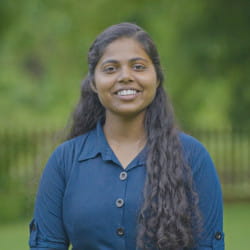
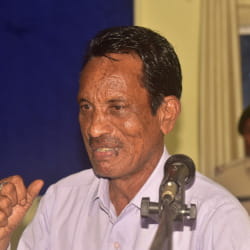
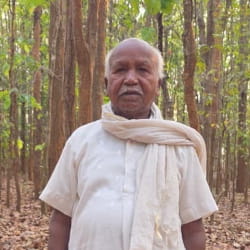
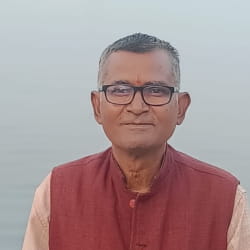
“Stewards of Resilience – Celebrating Community Wisdom and Action”
This session recognises individuals and collectives whose work has quietly but powerfully strengthened communities and ecosystems across the region, and honours intent, ingenuity, and commitment to place. The session is both a moment of recognition and an invitation to learn from these journeys and to carry their spirit forward through “EKAM Samman”.
EKAM Cultural Evening: “Rhythms of the Heartland”
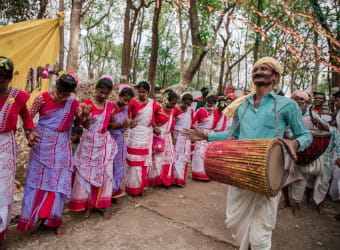
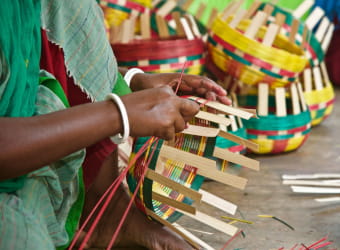
An immersive evening that brings together the art, music, food, craft, and storytelling traditions of the region, creating a shared space to reconnect with indigenous knowledge systems, seasonal rhythms, and collective memory.
Bridging Samvaad and Nirmaan – Conversations, Collaboration and Collective Action
Plenary Session 1: Journeys in Resilience – Voices from the Ground
This plenary brings together selected changemakers to share their journeys – the challenges they faced, the choices they made, and the lessons they learned along the way. Designed especially for a youth audience, the session foregrounds stories of courage, experimentation, and persistence.
The focus is not on success alone, but on process – how change unfolds on the ground, and how young people can find purpose and agency within their own contexts.
Plenary Session 2 : Resilience in Practice – From Local Action to Larger Change
Continuing the conversation, this session explores how grassroots leadership across social sectors, including livelihoods, governance, education, health, gender equity, enterprise, and cultural preservation is creating high level impact.
Thematic Dialogue Forums: Designing the Resilience Architecture
These parallel sessions explore how resilience is built across people, institutions, and economies, moving beyond silos to integrated, region-specific approaches.
Governed by the Ground – Building Community Led Resilience
This dialogue explores how community leadership, from Panchayats to women’s collectives and youth networks strengthens governance and drives regional resilience. It examines how communities shift from beneficiaries to co-creators of development, building systems that are inclusive, responsive, and rooted in place
Systems that Sustain – Scalable Impact through Effective Governance
Focusing on villages, districts, and cities as key action units, this session explores how resilience can be embedded into everyday planning and development. It highlights the role of data, institutional capacity, and cross-sector collaboration in translating regional realities into scalable action.
Culture as Living Wisdom: Knowledge, Identity and Local Enterprise
This session explores culture as living wisdom, where art, food traditions, folklore, and indigenous practices sustain local economies, preserve biodiversity, and shape climate-resilient, place-based futures led by community custodians.
Innovation Rooted in Reality – Youth, Technology and Ground Up Solutions
This session explores how youth, technology, and digital tools can strengthen climate resilience when guided by local context and community needs, ensuring innovation remains accessible, grounded, and accountable.
Capital with Commitment: CSR, Philanthropy & Impact Capital for India’s Heartland
The session brings together corporates, foundations, impact investors, HNIs to explore long-term financing for climate resilience, livelihood diversification, community empowerment, and ecosystem restoration.
Shaping the Narrative: Media, Storytelling & Public Perception of Climate in India
Resilience is also built through narratives. This session examines how regions like Eastern India are represented or overlooked in national discourse, and how storytelling can influence policy, public awareness, and collective action. It reflects on the role of journalists, communicators, and communities in shaping narratives that are grounded, accurate, and hopeful.
Closing: From Dialogue to Direction
The EKAM Synthesis
The closing session synthesizes key insights and emerging priorities, translating dialogue into shared commitments and next steps for strengthening regional resilience through continued collaboration.